Take a look around your home or property and notice how surfaces change over time. What was once bright and clean may now appear dull, stained, or covered in layers of dirt. Driveways collect grime, siding fades under exposure, and outdoor areas lose their original appeal. These changes happen gradually, but they can significantly affect the overall look and condition of your property. Power washing services offer a simple yet highly effective way to restore these surfaces and bring them back to life.
Power Washing Services is more than just spraying water at high pressure. It is a specialized cleaning process designed to remove buildup, protect materials, and improve the appearance of exterior spaces. Understanding what power washing services include can help you see why they are an essential part of property maintenance.
What Are Power Washing Services
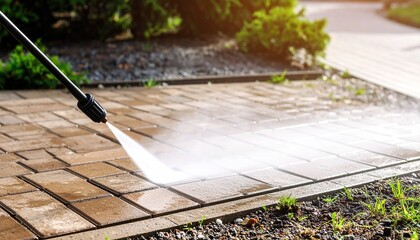
Power washing services involve the use of high pressure water to clean exterior surfaces. This method is designed to remove dirt, mold, mildew, algae, and other contaminants that accumulate over time.
The process uses specialized equipment that can adjust pressure levels depending on the surface being cleaned. This ensures that tough stains are removed without causing damage.
In many cases, cleaning solutions are also used to break down stubborn buildup. These solutions enhance the effectiveness of the process and provide longer lasting results.
Power washing is suitable for a wide range of surfaces, making it a versatile solution for maintaining outdoor areas.
Surfaces That Can Be Cleaned with Power Washing
One of the key advantages of power washing is its ability to clean different types of surfaces. Concrete areas such as driveways and sidewalks are among the most common targets. These surfaces often collect oil stains, dirt, and debris that can be difficult to remove with regular cleaning.
Building exteriors, including siding and brick, can also benefit from power washing. Cleaning these surfaces restores their original color and removes harmful buildup.
Decks and fences made of wood can be cleaned to remove dirt and mildew. Proper pressure settings are used to protect the material while achieving effective results.
Patios, walkways, and outdoor furniture can also be refreshed through power washing. This helps maintain a clean and inviting outdoor environment.
By addressing multiple surfaces, power washing contributes to the overall upkeep of a property.
Benefits of Power Washing Services
Power washing offers several benefits that go beyond improving appearance. One of the most noticeable advantages is enhanced curb appeal. Clean surfaces make a property look well maintained and inviting.
Another important benefit is the prevention of damage. Mold, mildew, and algae can weaken surfaces over time. Removing these contaminants helps preserve materials and extend their lifespan.
Power washing also contributes to a healthier environment. Eliminating allergens and bacteria from surfaces can improve air quality and reduce health risks.
In addition, regular cleaning can increase property value. A well maintained exterior creates a positive impression and reflects proper care.
These benefits make power washing a valuable investment for both residential and commercial properties.
The Power Washing Process
The power washing process follows a structured approach to ensure effective and safe cleaning. It begins with an inspection of the area to determine the appropriate pressure level and cleaning method.
Preparation is the next step. This may involve removing loose debris and protecting nearby plants or surfaces.
Cleaning solutions may be applied to break down dirt and stains. This step helps improve the overall effectiveness of the process.
High pressure water is then used to clean the surface. The equipment is adjusted to match the material being cleaned, ensuring that it is not damaged.
After cleaning, the area is rinsed thoroughly to remove any remaining residue. A final check ensures that all areas have been properly cleaned.
Each step is designed to deliver a thorough and consistent result.
Power Washing vs Pressure Washing
Although the terms are often used interchangeably, there is a slight difference between power washing and pressure washing. Power washing uses heated water, while pressure washing relies on regular water pressure.
The use of heated water makes power washing more effective for removing grease and tough stains. It is particularly useful for heavily soiled surfaces.
Pressure washing is often used for lighter cleaning tasks and delicate surfaces. Both methods have their advantages, and the choice depends on the specific needs of the project.
Understanding this difference helps ensure that the right method is used for each surface.
When to Schedule Power Washing Services
Timing is an important factor in maintaining clean surfaces. Many property owners choose to schedule power washing services during seasonal transitions.
Spring is a common time for cleaning, as it removes dirt and buildup from previous months. This prepares the property for increased outdoor use.
Additional cleaning may be needed after severe weather or periods of heavy exposure to dirt and debris.
Regular maintenance schedules help prevent buildup and keep surfaces looking their best throughout the year.
By planning ahead, you can maintain a clean and well preserved property.
Safety and Environmental Considerations
Power washing involves the use of high pressure equipment, which requires proper handling to ensure safety. Professional services are trained to use this equipment effectively and minimize risks.
Protective measures are taken to prevent damage to surfaces and surrounding areas. This includes adjusting pressure levels and using appropriate techniques.
Environmental considerations are also important. Many services use eco friendly cleaning solutions that reduce environmental impact.
Proper management of water runoff helps prevent contamination and ensures responsible cleaning practices.
By following safe and sustainable methods, power washing services deliver effective results while protecting the environment.
Maintaining Results After Power Washing
After power washing, maintaining the results is essential for long term benefits. Regular cleaning helps prevent the buildup of dirt and contaminants.
Simple steps such as sweeping surfaces and removing debris can help keep areas clean between professional services.
Addressing minor stains early prevents them from becoming more difficult to remove.
Scheduling periodic power washing ensures that surfaces remain in good condition and retain their appearance.
Consistent maintenance helps extend the life of the cleaning results.
Final Thoughts
Power washing services provide an efficient and effective way to restore and maintain exterior surfaces. By removing dirt, stains, and harmful buildup, they improve both the appearance and durability of a property.
Regular power washing not only enhances curb appeal but also helps prevent long term damage, making it an essential part of property care. With the right approach and proper maintenance, your outdoor spaces can remain clean, attractive, and well preserved.
In the end, power washing is more than just a cleaning method. It is a practical investment in the longevity and visual appeal of your property, helping you create an environment that feels fresh, inviting, and well maintained.