Industrial Staircase Railings are more than simple safety barriers. They are essential elements that shape how spaces function and how people move. Once seen as purely utilitarian, they now represent a fusion of safety, design, and innovation. Their role has expanded far beyond the expected.
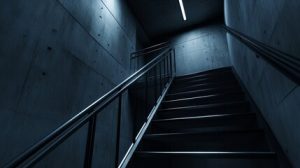
Every industrial space depends on stair railings for security and structure. They prevent accidents, guide traffic, and define boundaries in environments where precision matters. But their purpose is not limited to physical protection. They also contribute to the flow, efficiency, and aesthetics of the entire space.
Designing railings for industrial staircases requires deep technical understanding. They must meet strict safety standards while withstanding heavy use and harsh conditions. Engineers carefully calculate height, spacing, and load capacity to meet regulatory demands. A single design flaw could lead to serious consequences.
Modern railings are no longer built just from heavy metals or basic components. Today’s options include advanced alloys, composite materials, and reinforced polymers. These innovations increase strength while reducing weight and maintenance. They also allow for new shapes and finishes that were once impossible.
The aesthetic aspect of railings is becoming more important, even in industrial settings. Clean lines, minimal profiles, and customized finishes are now common requests. This reflects a shift where functionality and appearance work together. A well-designed railing enhances the character of an industrial space rather than blending into the background.
Ergonomics plays a crucial role in railing design. Handrails must be comfortable, intuitive, and accessible for all users. Subtle details like grip shape, height variation, and angle improve usability and reduce fatigue. These small refinements create safer and more user-friendly environments.
In many industries, railings must perform under extreme conditions. Exposure to moisture, chemicals, and temperature changes can weaken traditional materials. This is why specialized coatings and corrosion-resistant finishes are essential. They ensure long-term performance without compromising safety.
Customization is now a defining trend in industrial railing design. Projects require solutions tailored to their unique space, purpose, and user flow. Modular systems, adjustable components, and integrated features make customization more practical. This adaptability allows facilities to evolve without costly overhauls.
Technological advances are transforming how railings are planned and built. Digital modeling allows designers to visualize and test structures before fabrication. Simulations assess performance under various stresses and scenarios. This reduces errors, speeds up production, and guarantees compliance from the start.
Safety regulations have also become more stringent. Industrial railings must meet precise height, spacing, and load-bearing requirements. Failure to comply can lead to penalties, accidents, or shutdowns. As a result, compliance has become an integral part of the design process, not just a final check.
Beyond standard safety, some facilities now integrate smart features into railings. Sensors can detect impact, monitor vibration, or send alerts when structural stress occurs. These intelligent systems provide early warnings that prevent failures. They represent the next step in proactive safety management.
The environmental impact of railing production is another growing concern. Manufacturers are shifting toward recycled materials and sustainable fabrication methods. Life-cycle assessments help minimize waste and extend product lifespan. Sustainability is no longer optional—it is an expectation.
Maintenance strategies have also evolved alongside new materials. Self-cleaning coatings, modular replacement parts, and low-maintenance finishes reduce upkeep. This minimizes downtime and costs over the railing’s life. Facilities benefit from improved performance with fewer interventions.
Installation methods have become more efficient as well. Prefabricated modules can be quickly assembled on-site, minimizing disruption. Innovative fastening techniques allow for secure, adjustable connections. These advancements reduce labor demands while maintaining structural integrity.
In high-traffic or heavy-duty environments, impact resistance is critical. Railings must absorb force without bending, cracking, or detaching. Reinforced joints, shock-absorbing materials, and hidden structural supports address these challenges. They ensure the railing remains reliable even under unexpected stress.
Adaptability is another essential quality in modern railing systems. Industrial spaces often change layouts as operations grow or shift. Modular railings can be relocated or reconfigured without major reconstruction. This flexibility extends their utility and long-term value.
The role of railings in workflow optimization is often underestimated. Strategic placement can improve traffic flow, reduce congestion, and guide movement. In multi-level environments, they also aid visual orientation and spatial organization. Their influence on operational efficiency goes far beyond safety.
Designers are exploring new ways to make railings multifunctional. Some now incorporate lighting to improve visibility and safety. Others integrate signage, sensors, or data lines into their structure. These features transform railings from passive barriers into active infrastructure.
The global focus on accessibility has also influenced industrial railing design. Handrails must accommodate users of all abilities, including those with mobility challenges. Inclusive design ensures that safety is universal, not selective. This expands usability and aligns with modern regulatory expectations.
Collaboration between architects, engineers, and safety specialists is now standard. Each brings expertise that enhances the final product’s performance and compliance. This multidisciplinary approach ensures railings meet technical, operational, and aesthetic goals. It results in more reliable and refined solutions.
Durability remains a top priority in every project. Industrial environments demand railings that can endure decades of wear without failure. Long-term performance testing, accelerated aging studies, and real-world simulations verify durability. This meticulous testing guarantees reliability where it matters most.
The psychological effect of railing design is another emerging consideration. Clear, well-placed railings create a sense of security and direction. Workers move more confidently and efficiently when they trust their surroundings. Safety features that inspire confidence improve productivity and morale.
The cultural and symbolic meaning of railings also holds weight. They represent order, boundaries, and care in environments often dominated by machinery and speed. Their presence shows commitment to safety and attention to detail. This symbolism reinforces trust among workers and clients alike.
Industrial railing design continues to evolve with advances in material science. New alloys and composites offer greater strength-to-weight ratios. Experimental coatings extend lifespan and reduce environmental impact. These innovations push the boundaries of what railings can achieve.
As automation becomes more widespread, railings must adapt to robotic workflows. Placement, spacing, and strength must align with automated movement patterns. Intelligent railing systems can even interact with automated equipment, creating safer collaborative spaces. This integration reflects the future of industrial design.
Fire resistance is another key consideration in certain industries. Special coatings and heat-resistant materials protect structures in high-temperature scenarios. This feature is critical in chemical plants, manufacturing facilities, and energy sites. It ensures safety even in extreme emergencies.
Future innovations may further transform industrial railing systems. Lightweight, self-healing materials could reduce repair needs. Embedded sensors may allow continuous structural monitoring. Even autonomous railings that adapt to changing layouts are on the horizon.
Investment in high-quality railings offers long-term economic advantages. Reduced accidents lower liability and insurance costs. Durable materials decrease maintenance and replacement expenses. Over time, these savings far exceed the initial investment.
The global demand for safer, smarter, and more sustainable infrastructure will continue driving change. As standards rise, so too will expectations for industrial railings. Their evolution will reflect broader trends in technology, sustainability, and design. And their importance will remain as vital as ever.
Ultimately, industrial staircase railings embody the balance of safety, function, and innovation. They protect, guide, and define the spaces where work happens. They evolve alongside the industries they serve, always adapting to new challenges. And they will continue to shape the way we move, build, and thrive in the industrial world.
The future of railings is not just about strength but intelligence, sustainability, and adaptability. It is about designing systems that grow with the spaces they serve. From silent guardians to active participants, railings are transforming how we think about safety. And their journey is only just beginning.